
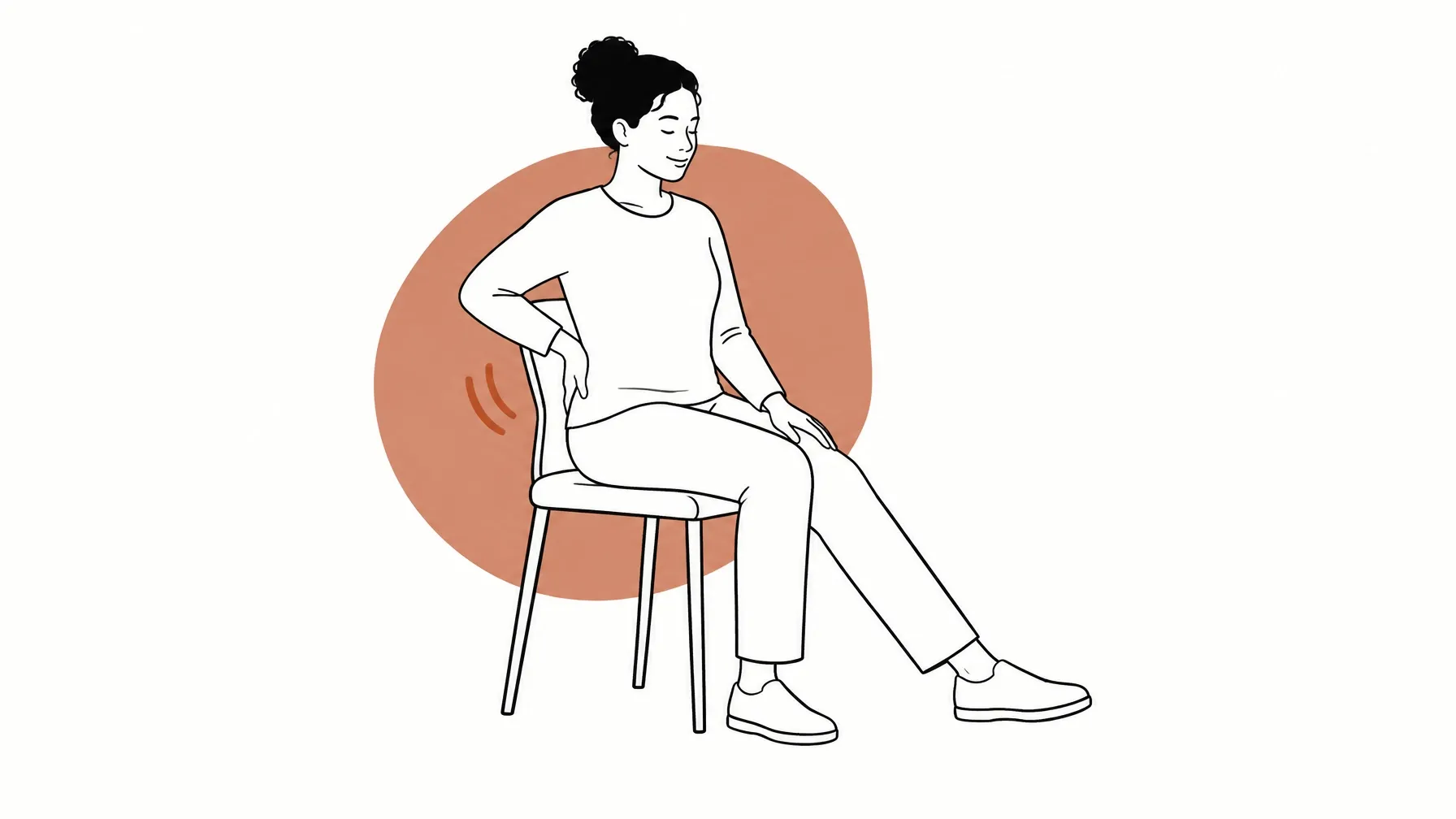
Sciatica can stop life in its tracks. Pain that travels from the lower back or buttock down one leg, sometimes alongside tingling, numbness or weakness, can make walking, sitting and sleeping uncomfortable or even unbearable.
Acupuncture is a widely used complementary approach for people living with sciatic pain. It is offered alongside medical assessment rather than instead of it. Individual responses vary, and there is no guarantee that it will ease your pain.45
What an appointment offers is time: a full consultation, individually chosen points, and a quiet room to rest in. Many people describe the session itself as deeply relaxing.
As with any therapy, acupuncture works alongside medical care,. If your symptoms are new, severe or worsening, speak with a GP first, and seek urgent help for any changes in bladder or bowel control or numbness in both legs.
What is sciatica?
Sciatica describes symptoms associated with irritation or compression of the sciatic nerve or its nerve roots. The sciatic nerve runs from the lower back through the buttocks and down each leg. The term refers to a pattern of symptoms, rather than one specific underlying cause.

Common symptoms include:
- Pain in the buttock and down the back of one leg, sometimes extending to the foot or toes.
- A sharp, burning or shooting sensation.
- Tingling or pins and needles.
- Numbness or weakness in the leg or foot.
Symptoms may feel worse with movement, coughing or sneezing. They can vary considerably, and leg pain may be more noticeable than back pain.2 Other conditions can cause similar symptoms, so a healthcare professional can help assess what may be contributing.
Common causes and contributing factors
Sciatica may develop when a nerve root is irritated or compressed. Causes and contributing factors can include:
- A disc problem: A bulging or herniated disc in the lower spine may press on a nearby nerve root.
- Spinal changes: Age-related changes, such as narrowing around the spinal nerves, may contribute.
- Piriformis-related irritation: The piriformis muscle in the buttock can, in some cases, irritate or compress the sciatic nerve. A clinician can assess whether this is relevant, as symptoms may overlap with other causes.
- Pregnancy-related changes: Changes in posture, load and pelvic mechanics during pregnancy may contribute to back or leg discomfort. Not all pregnancy-related leg pain is sciatica, so assessment is important.
The underlying cause can affect which care is most appropriate. Acupuncture cannot determine the cause or rule out a condition requiring medical treatment.
When to seek urgent medical help
Seek urgent medical assessment if you have new or worsening symptoms such as:
- Sciatica affecting both legs.
- Severe or worsening weakness or numbness in both legs.
- Numbness around your genitals or anus.
- Difficulty starting urination, inability to urinate, or new loss of bladder or bowel control.
These symptoms can indicate serious nerve compression and need prompt assessment. Follow NHS advice and go to A&E or call 999 if you experience these emergency warning signs.2
If you’re pregnant, contact your midwife or GP about back pain with concerning symptoms. NHS guidance advises urgent contact for back pain in the second or third trimester, or when it occurs with symptoms such as fever, vaginal bleeding or painful urination. Loss of feeling in a leg, buttocks or genitals requires emergency assessment.3
What does the evidence say about acupuncture for sciatica?
Research into acupuncture for sciatica has grown in recent years. The picture is mixed, and we describe it here as background reading rather than as proof that treatment will help you.
A 2023 systematic review brought together 30 randomised trials involving 2,662 participants and reported that acupuncture may reduce pain and improve function in people with sciatica.4 The authors noted that the studies varied considerably in design, which is common in acupuncture research, and that the quality of evidence was limited. We therefore do not present this as proof that acupuncture works for sciatica.
A 2024 randomised, sham-controlled trial studied 216 people with chronic sciatica caused by a herniated disc. The trial reported greater improvements in leg-pain scores and physical function in the group receiving acupuncture than in the group receiving sham treatment, and this was maintained over the year-long follow-up.5 A result like this is interesting, because sham-controlled trials are designed to test whether acupuncture performs better than a placebo-style treatment, and this one suggests a genuine effect beyond expectation alone.
For balance, it’s worth knowing that current NICE guidance does not recommend offering acupuncture routinely for low back pain with or without sciatica.1 That guidance relates to routine commissioning decisions for low back pain more broadly, and it remains an important part of the conversation with your GP or practitioner. Many people still choose acupuncture as a complementary option and report meaningful relief, and sciatica-specific trials such as the 2024 study above suggest the research picture continues to develop in a positive direction. Individual responses vary, and no outcome can be guaranteed.
How might acupuncture support pain management?
Acupuncture involves the insertion of fine, sterile needles at selected points. The treatment plan is tailored to each person’s symptoms, health history and comfort. Many people find the sessions relaxing, and some describe less discomfort afterwards; others notice no change. 5

Some people choose acupuncture as part of a broader approach to managing discomfort:
- Time to rest: A quiet, unhurried appointment with an hour to lie still. Responses vary from person to person.
- Tension around the back and hips: Tightness and guarding often accompany sciatica. Appointments give you time to rest, and your practitioner will discuss what feels comfortable.
- Comfort during recovery: Treatment is often combined with gentle movement and lifestyle guidance, alongside whatever your GP or physiotherapist has advised.
Acupuncture works alongside, rather than instead of, medical assessment and any rehabilitation advised by your clinician. It cannot determine the cause of your pain or rule out a condition that needs medical treatment.
What may happen at an acupuncture appointment?
At an initial appointment, your symptoms, medical history and any current treatment may be discussed. Be sure to mention medicines, existing diagnoses, previous spinal problems and any changes in strength or sensation. The practitioner should consider whether acupuncture is appropriate or whether you need medical assessment first.
If treatment is considered suitable, the approach may be adapted over time according to how you feel. Needles are generally used for a short period, and some people experience temporary soreness, minor bleeding, bruising, nausea or dizziness. Serious complications are uncommon when acupuncture is carried out by a suitably trained practitioner using sterile, single-use needles, but risks can’t be ruled out entirely.
Acupuncture during pregnancy
Evidence on acupuncture for pregnancy-related lower-back or pelvic pain is not the same as evidence for confirmed sciatic nerve pain. A 2023 review of pregnancy-related lower-back and pelvic pain found possible short-term benefits in some studies, but the evidence was limited and should not be taken as proof that acupuncture treats pregnancy-related sciatica.6
If you’re pregnant, discuss acupuncture with your midwife or obstetric team first. Choose a practitioner experienced in pregnancy care, and ensure they know how far along you are and about any pregnancy complications. Do not use acupuncture instead of seeking medical advice for new, severe or changing symptoms.
Personalised acupuncture care in London
Karla Perentin, practitioner and founder of Nature Heals, has more than 20 years of experience. She offers personalised care at clinics in Wandsworth, Notting Hill and Marylebone. Patient reviews often mention how carefully she listens and how calm the appointments feel.
One recent review, written by a patient who came with sciatic pain, describes the experience:
“Extreme pain from sciatica. Excellent presentation from Karla. All treatment explained.”
If you’re considering acupuncture for sciatica, Karla will take the time to understand your health history, symptoms and goals, and build a treatment plan around you as part of your wider care.
You can find out more about acupuncture at Nature Heals, book a consultation or contact the clinic. If your symptoms are new, severe or getting worse, it’s always sensible to check with your GP first.
Frequently asked questions
Will acupuncture relieve my sciatica?
We cannot promise that it will. Some people report less discomfort; others do not. Individual responses vary, so it is worth discussing with your practitioner alongside any medical advice you are following. Please keep your GP informed about your symptoms.
How many acupuncture sessions might be needed?
There is no single number that suits everyone, and it depends on how long you’ve had symptoms and what’s contributing to them. Some people choose a single appointment to see how they find it, while others prefer a short course of weekly sessions. Your practitioner will discuss a plan with you and review your response along the way.
What are the risks of acupuncture?
Acupuncture is generally well tolerated when carried out by a suitably trained practitioner using sterile, single-use needles, and serious complications are uncommon. Temporary effects such as mild soreness or bruising can occur, and it is not risk-free, so always tell the practitioner about your health conditions and medicines. If you experience warning signs such as worsening weakness or changes in bladder or bowel control, seek medical assessment straight away.
Can I have acupuncture for sciatica during pregnancy?
Possibly, but first discuss it with your midwife or obstetric team. Evidence specific to pregnancy-related sciatica is limited, and not all pregnancy-related back or leg pain is caused by sciatic nerve irritation. Choose a practitioner trained in pregnancy care.
Summary
Sciatica causes pain that travels from the lower back or buttock down the leg, often with tingling, numbness or weakness. Acupuncture is a widely used and increasingly well-researched option: recent trials have reported meaningful reductions in leg pain and improvements in function, and many patients describe noticeable relief within a few sessions. It works alongside medical care,, so a clinician can help identify the cause of your symptoms, and urgent help should be sought for serious changes in sensation, strength, bladder or bowel function. If sciatic pain is holding you back, a personalised treatment plan can help you move forward.
Not sure where to start?
I’ll take time to understand your symptoms, health history and goals. Together, we can discuss whether acupuncture may be a suitable part of your care and whether you should seek further medical advice.
References
- NICE. Low back pain and sciatica in over 16s: assessment and management, recommendations.
- NHS. Sciatica.
- NHS. Back pain in pregnancy.
- Zhang et al. The efficacy and safety of acupuncture therapy for sciatica: A systematic review and meta-analysis of randomised controlled trials. Frontiers in Neuroscience, 2023.
- Randomised clinical trial of acupuncture for chronic sciatica caused by herniated disc. JAMA Internal Medicine, 2024.
- Systematic review of acupuncture for pregnancy-related pain in the lower back and pelvis, 2023.