For decades, the label “PCOS” has left many women feeling confused and misunderstood. If you have ever been told you have Polycystic Ovary Syndrome but were then told you do not actually have “cysts” on your ovaries, you know exactly what I mean. OnMay 12, 2026, the medical community finally took a massive step toward clarity. The global rebrand from PCOS to PMOS (Polyendocrine Metabolic Ovarian Syndrome) is officially here.
As a practitioner with over 20 years of experience in fertility and women’s health, I believe this is more than just a name change. It is a fundamental shift in how we understand, diagnose, and support your body. At Nature Heals, I have always viewed this condition as a systemic, whole-body experience rather than just an “ovary problem.” This new terminology finally catches up to the holistic approach I prioritise in my clinics across Wandsworth, Notting Hill, and Marylebone.
Why the Change? Moving Beyond “Cysts”
The term “Polycystic Ovary Syndrome” was always a bit of a misnomer. The “cysts” people talked about are actually small follicles that have not matured enough to release an egg. Many patients are diagnosed with the condition without ever showing these follicles on an ultrasound, while others have them but none of the hormonal symptoms.
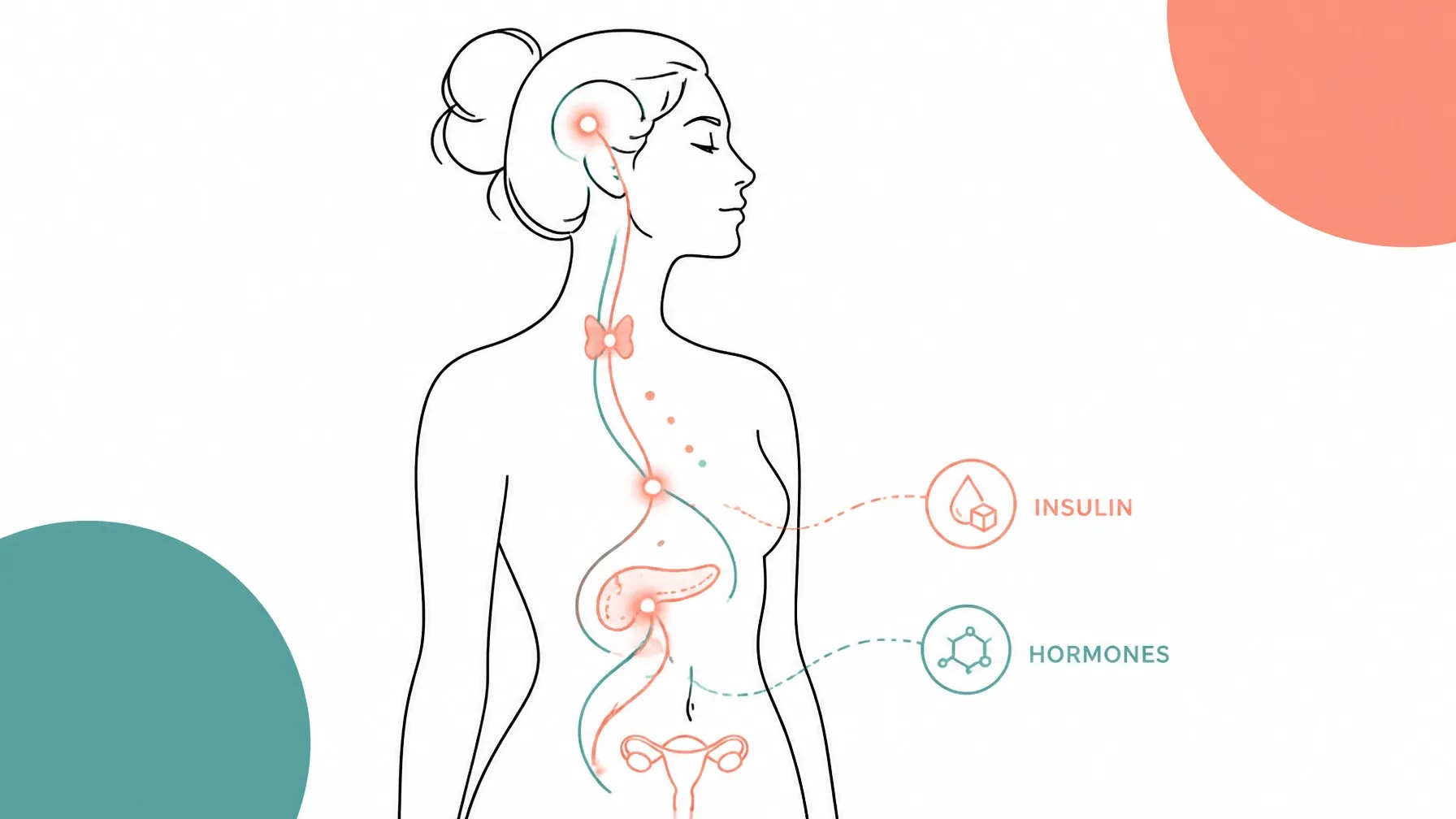
The new name, Polyendocrine Metabolic Ovarian Syndrome (PMOS), is much more accurate. It acknowledges that the condition is:
- Polyendocrine: It involves multiple hormone systems, including androgens (like testosterone) and gonadotropins.
- Metabolic: It is deeply linked to how your body processes energy, specifically regarding insulin resistance and blood sugar.
- Ovarian: It still impacts ovulation and reproductive health.
- Syndrome: It is a collection of symptoms that vary from person to person.
By focusing on the “Metabolic” and “Endocrine” aspects, the medical world is finally admitting that what happens in your ovaries is often a symptom of what is happening in your wider system.

The Metabolic Connection: Why It Matters for You
One of the most significant parts of this rebrand is the inclusion of the word “Metabolic”. For many of my clients who are looking at Metabolic Balance in London, this name change reflects what they have been told for years: that their symptoms involve weight, energy and feeling “wired but tired” as well as their cycle.
Insulin resistance is a cornerstone of PMOS. When your body does not use insulin effectively, it can lead to higher levels of androgens, which in turn disrupts your cycle. This creates a cycle of weight gain, skin issues, and fertility challenges.
Recognising PMOS as a metabolic condition means care can look beyond the prescription pad. My Metabolic Balance® programme is a personalised nutrition plan built from 36 blood markers, your goals and your preferences. It is a structured way to review how you eat. It is a structured way to review how you eat, planned with you and reviewed as you go.
Acupuncture for PCOS London: A Holistic System Reset
Nutrition is one side of the picture, and rest is the other. If you are searching for acupuncture for PCOS in London, appointments offer an unhurried hour, individually planned treatment, and space to talk about your cycle and how you are feeling.

Acupuncture works by stimulating the body’s innate intelligence to restore balance. In the context of PMOS, it can:
- Time to talk: Space to talk through your cycle, your symptoms and how treatment fits around your medical care.
- Individually planned treatment: Fine needles at points chosen for you on the day, rather than a fixed protocol.
- Rest: A warm, quiet room and an hour in which nothing is required of you.
- Alongside your medical care: We encourage you to keep your GP or specialist informed, and to continue any treatment they have recommended.
- Review your metabolic health: Are you tracking your blood sugar or insulin levels?
- Prioritise your nervous system: Are you managing the chronic stress that often accompanies hormonal imbalances?
- Seek specialised support: Work with someone who understands the nuances of the endocrine system.
- Monash University. (2026). International Evidence-based Guideline for the Assessment and Management of Polyendocrine Metabolic Ovarian Syndrome.
- The Lancet. (2026). From PCOS to PMOS: A New Era of Metabolic Endocrine Care. https://www.thelancet.com (opens in a new tab).
- Endocrine Society. (2026). Terminology Update: PMOS FAQ for Patients. https://www.endocrine.org (opens in a new tab).
I offer these treatments at my Southfields clinic in Wandsworth, as well as in Marylebone and Notting Hill, ensuring you have access to expert care regardless of where you are in the city.
Fertility and PMOS: A 20-Year Perspective
If you are trying to conceive, the shift to PMOS is actually very encouraging. It means the focus is moving toward preparing the “soil” (your metabolic health) before planting the “seed” (conception).
Whether you are booking fertility acupuncture in Southfields or preparing for an IVF cycle in Marylebone, I use my two decades of experience to create a calm, unhurried setting. Some people also choose Maya abdominal massage (also called womb or fertility massage) alongside acupuncture; it is a gentle, external therapy and many people find it deeply restful.

What Should You Do Now?
If you have a diagnosis of PCOS, do not worry. Your condition has not changed, but the way we talk about it has. This is an invitation to look at your health through a wider lens.
I am here to guide you through this transition. Whether we are working on a Metabolic Balance® plan or using Low-Level Laser Therapy (LLLT) to support egg quality, the goal is always the same: to help your body heal itself.

Frequently Asked Questions
Will my GP use the term PMOS now?
The medical community is currently in a three-year transition period. While major organisations like the Endocrine Society (opens in a new tab) have endorsed the change, it may take some time for local clinics and insurance providers to update their systems fully. You can expect to see both terms used interchangeably until roughly 2028.
Is PMOS harder to treat than PCOS?
Not at all. It is the same condition. The name change simply makes it easier for practitioners to recommend the right treatments, like metabolic screening and hormonal support, earlier in the process.
Can I still get acupuncture if I am taking the pill for my symptoms?
Yes. Acupuncture can be used as a complementary therapy alongside conventional medicine. It is often very helpful for managing the side effects of hormonal treatments or for supporting the body if you decide to transition off the pill in the future.
Do I need to have “cysts” to be diagnosed with PMOS?
No. Under the new PMOS framework, it is even clearer that the presence of follicles on the ovaries is just one potential sign. You can be diagnosed based on your hormonal blood tests (polyendocrine) and metabolic markers even if your ultrasound is clear.
Summary and Takeaway
The rebrand from PCOS to PMOS (Polyendocrine Metabolic Ovarian Syndrome) reflects a broader view of the condition. It recognises that symptoms are part of a wider picture involving metabolism and hormones. Acupuncture is offered here as complementary support, and your GP or specialist remains the right person to assess and manage the condition.
Whether you visit me in Wandsworth, Notting Hill, or Marylebone, I am committed to using my 20+ years of experience to help you navigate this “new” definition of health with clarity and confidence.
Ready to Balance Your System?
Whether you’re navigating the shift to PMOS, seeking fertility support, or looking to reset your metabolism, I’m here to help you find your natural balance in London.
Serving Wandsworth, Marylebone & Notting Hill