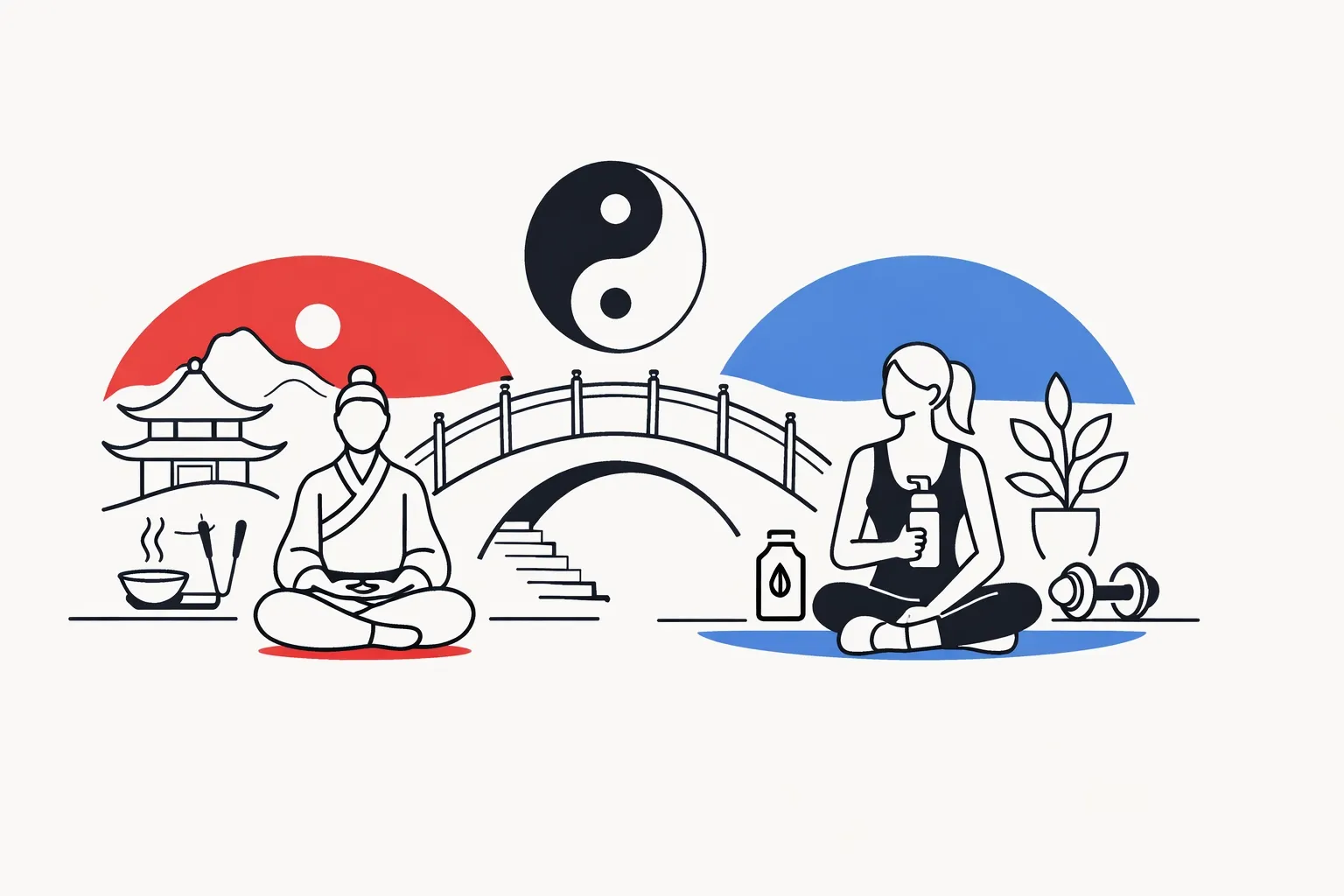
If you have spent any time on social media recently, you might have noticed a new term bubbling up in the wellness space: ‘Chinamaxxing’. While it sounds like the latest tech upgrade or a niche gaming term, it is actually something far more grounded. It represents a significant cultural shift where Gen Z is reclaiming and rebranding Traditional Chinese Medicine (TCM) as the ultimate lifestyle hack.
From drinking warm water to carrying jujubes and booking acupuncture, more people are turning away from quick fixes and towards slower habits. This article explains what the trend involves and what these practices can and cannot offer.
What chinamaxxing is
At its core, chinamaxxing means adopting Chinese wellness habits. It is a response to modern burnout and to the feeling that there must be more to health than a supplement and a step count. Some of it is sensible, and some of it is marketing.
The trend usually includes:
- Acupuncture: fine needles at specific points. A traditional practice, and a pleasant hour, rather than a treatment for anything.
- Herbal medicine: individually prescribed herbs, following a full consultation and with your GP informed.
- Gua sha and facial tools: a traditional technique people use at home. Gentle use is fine; it does not “drain toxins”.
- Everyday habits: warm drinks, cooked food, keeping warm and eating regularly.
For those who have practised these things for years, it is good to see them taken seriously. It is also worth remembering that some of the claims made online go further than the research does.

Why people are looking beyond the quick fix
Modern medicine is excellent at acute care, and many people still feel that their everyday concerns, such as tiredness, poor sleep or low mood, are not fully addressed. That gap is real, and it is why people look elsewhere.
When you visit our clinics in Wandsworth, Marylebone or Notting Hill, we ask about your sleep, digestion, energy and stress as well as your main concern. That fuller conversation is the most useful part of traditional practice.
Acupuncture
Acupuncture is the most widely known part of traditional Chinese medicine. It has been used for centuries, and today it is offered in clinics and hospitals around the world.
What we can say is that an appointment involves dedicated time: a full consultation, individual treatment and twenty minutes of quiet. Research into how acupuncture works is ongoing and the results are mixed, so we present it as complementary care rather than as a treatment.
If you are curious, our guide on acupuncture 101 explains what to expect from a first session.
Fertility and women’s health
Much of the trend involves hormonal and reproductive health. Some people are moving away from hormonal contraception and looking for other ways to understand their cycles. That is a decision to discuss with your GP, who can talk through the options and their risks and benefits.
At our Southfields clinic, many people come for fertility acupuncture while they are trying to conceive or having treatment. Appointments offer regular, unhurried time and space to talk.

In later pregnancy we offer acupuncture as a quiet hour to rest, with treatment adapted to your stage.
Herbal medicine
Herbal dispensaries are common in China, and interest in herbs is growing here. Herbs are not harmless simply because they are natural: they can interact with medicines, and some are unsuitable in pregnancy.
At Nature Heals every patient receives an individual prescription after a consultation. This may involve dried herbs to decoct at home or a concentrated powder. Your GP should always be told about anything you are taking.

Nutrition
Alongside the traditional practices, we offer the Metabolic Balance® nutrition programme. It is a structured, personalised plan based on your blood markers, goals and preferences.
If you are looking for a structured nutrition plan in London, the programme offers a clear framework rather than a diet in the usual sense.

Metabolic Balance® shares the traditional idea that food can support health.
Twenty years of practice in London
Following a trend on social media is one thing; seeing a practitioner with decades of experience is another. Nature Heals was founded on the belief that people deserve time and attention.
Our founder, Karla Perentin, brings over 20 years of experience to every consultation. Whether you visit our Marylebone clinic or our Southfields space, you will have a full consultation and an individual plan.

A cautious approach
We are glad the trend has brought these practices to more people. We also think it matters to be careful about what is claimed for them:
- Acupuncture and herbal medicine are complementary therapies that sit alongside medical advice and treatment.
- Individual responses vary, and no specific outcomes can be promised.
- It is important to tell your practitioner about any medication or health conditions.
- Please speak to your GP before starting a new health routine, particularly if you are pregnant or managing a long-term condition.
Our role is to support you alongside your existing healthcare providers.
Is it for you?
The trend is more than a passing moment. It reflects a wish for a more human approach to health, with time to talk and habits that fit real life. Whether it helps depends on how you use it: as a set of sensible habits, or as a substitute for medical care.
Whether you are interested in digestive comfort or simply want a calm hour, appointments are available.
Ready to book?
Book an appointment
Whether you are looking for acupuncture in Marylebone, support in Southfields, or a personalised nutrition plan, we would be glad to welcome you. Current prices and availability are on the book and prices page.
References:
- British Acupuncture Council. (2024). The Rise of Traditional Chinese Medicine in the West.
- National Center for Complementary and Integrative Health (NCCIH). (2023). Acupuncture: In Depth.
- World Health Organization (WHO). (2019). WHO Traditional Medicine Strategy.