
Acupuncture and reproductive health: an overview
Acupuncture has long been used in traditional Chinese medicine to support reproductive health, and increasing numbers of people in the UK turn to it while trying to conceive or during fertility treatment. This article explains what appointments involve, and is careful about what they can and cannot do.
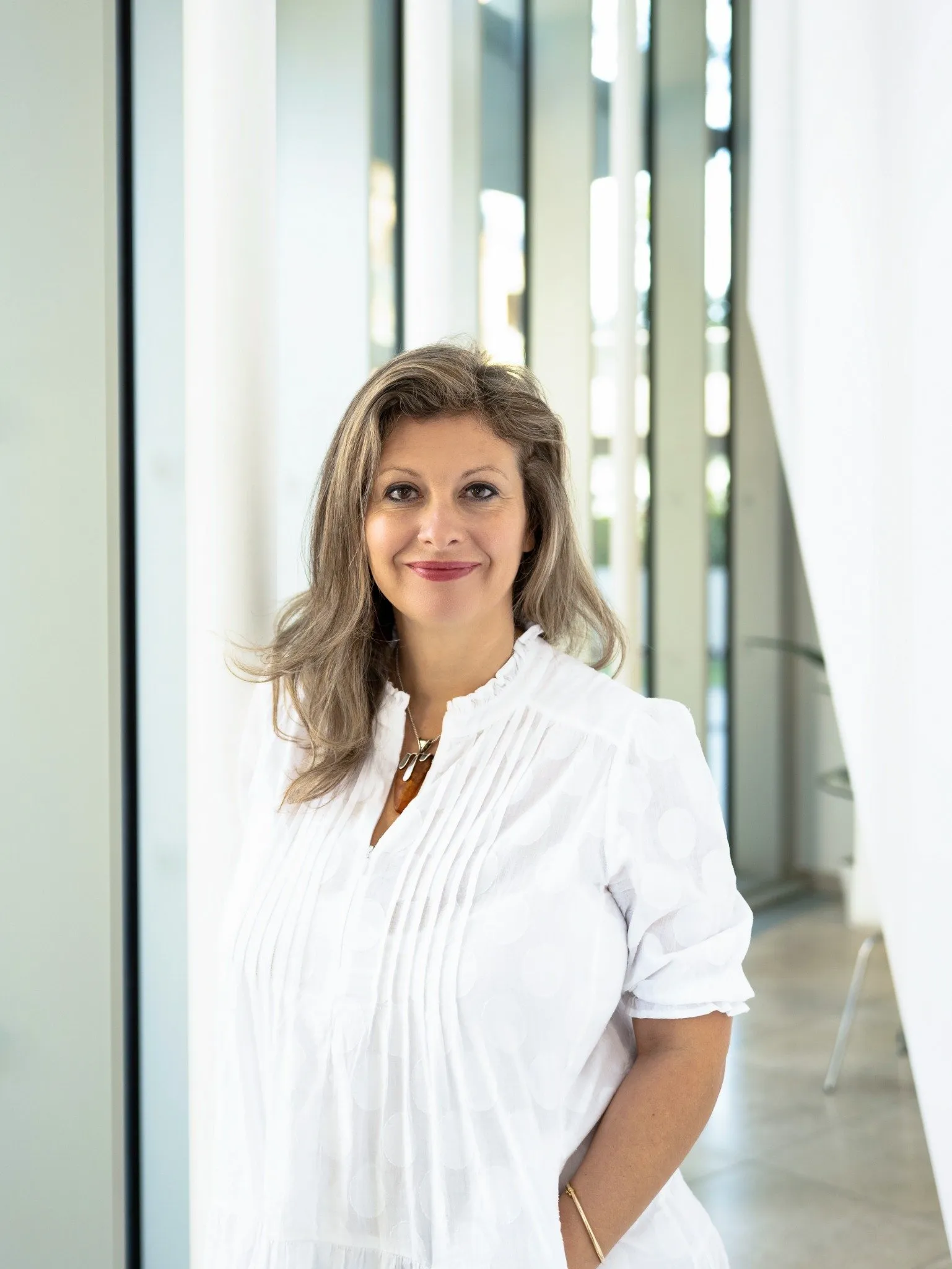
Karla works with you across your cycle, your sleep, your stress and your treatment schedule, and plans each appointment with you.
What acupuncture can and cannot do
Acupuncture involves the insertion of very fine needles at specific points. In traditional theory, stimulating these points is said to influence the flow of qi and the balance of yin and yang. Modern research has explored various mechanisms without reaching firm conclusions. What is well established is that many people find sessions deeply relaxing.
What appointments offer:
- Time to rest: an unhurried hour in a quiet room, which many people find valuable during a demanding period
- Space to talk: time to discuss your cycle, your treatment and how you are feeling
- Individually planned treatment: fine needles at points chosen for you, rather than a fixed protocol
Acupuncture for fertility in London: what to expect
If you are looking for acupuncture for fertility in London, look for a practitioner who plans treatment around you and is comfortable working alongside your medical team. A fertility-focused appointment usually includes:
- A detailed health intake covering menstrual history, medical treatment, lifestyle and goals
- A traditional assessment, which may include looking at your tongue and taking your pulse
- An acupuncture treatment, with points chosen for you on the day
- Suggestions on nutrition, sleep and stress management if you would like them
Some people come weekly, others fortnightly or occasionally. Appointments can be planned around IVF protocols or around your cycle, whichever suits you.

How people use acupuncture alongside fertility care
1. Cycles and periods
Some people with irregular cycles come for support and to talk through what is happening. If your cycles have changed or become irregular, please see your GP so that the cause can be investigated.
2. Alongside IVF
Acupuncture is commonly used alongside IVF, mainly because people find the appointments calming during a demanding process. Some studies have suggested small differences in outcomes around embryo transfer; others have found none, and careful reviews have not confirmed a benefit.
3. Symptoms that may have a hormonal cause
Insomnia, fatigue, mood changes and skin changes can all have many causes, and a hormonal one is only sometimes the explanation. Acupuncture can offer a quiet hour and space to talk, but it is not a way of investigating or treating these symptoms. Please have persistent symptoms assessed by your GP.
4. Stress and rest
Fertility treatment is stressful, and stress affects sleep and how you feel in your body. Sessions include a quiet room and, if you would like, simple breathing or relaxation suggestions.
What a fertility-focused plan looks like
- An initial assessment of about 60 minutes, with follow-up appointments of around 40 to 45 minutes
- Frequency agreed with you, often weekly at first and then less often
- Points chosen individually, which may include traditional points associated with the liver, kidney, spleen and uterus meridians
- Optional lifestyle suggestions, such as diet, gentle exercise and sleep routines
If you are considering acupuncture for fertility in London, it is worth discussing your goals, your timeline and any medical treatment with your practitioner so that appointments can be planned around them.
Choosing a practitioner
- Look for licensed or registered practitioners with experience in fertility support
- Check that they are comfortable working alongside your medical team if you are having IVF or taking medication
- Ask how many sessions they suggest, and be wary of anyone promising a particular result
- Read reviews and ask for recommendations from people you trust
- Check that the clinic uses sterile, single-use needles and explains its hygiene standards

Risks and considerations
Acupuncture is generally well tolerated when carried out by a trained practitioner using sterile, single-use needles. It is not risk-free: temporary soreness or light bruising at needle sites can occur, and more serious complications are uncommon. Always tell your practitioner about your medical history, medication and any implanted devices, and tell your fertility clinic that you are having acupuncture.
In summary
Acupuncture for fertility in London offers a calm, complementary option that many people find supportive while they try to conceive or have treatment. Karla will plan appointments around your cycle and how you are feeling.
References
- No explicit References list on this post.