
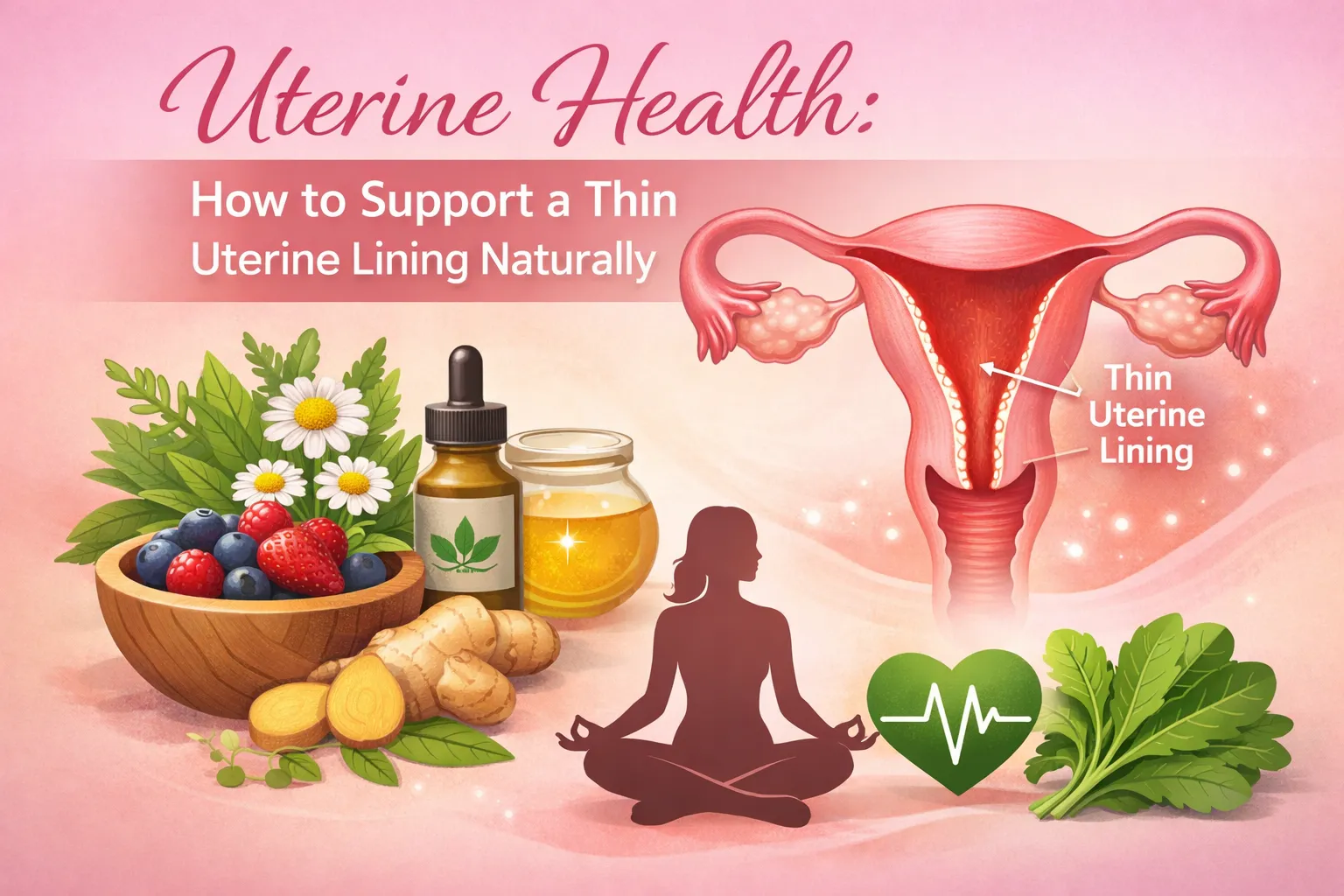
A thin uterine lining: what complementary care can offer
In traditional Chinese medicine the uterus is known as Zi Gong, “the palace of the child”, and is described as central to women’s health. That is a traditional framework rather than a medical description.
In traditional thought the uterus is seen as needing warmth and nourishment. In modern terms, the lining develops under the influence of hormones, and its thickness is measured by ultrasound at your fertility clinic.
If you have been told your lining is thin, the assessment and any treatment belong with your fertility clinic. This article explains what complementary appointments can offer alongside that, and is clear about what they cannot do.
A healthy lining is typically described as 8 to 12 mm at mid-cycle, though what matters varies with your treatment. A thin lining is one of many factors that can affect the outcome of a cycle, and often no cause is identified.
What can affect the lining
Several factors may be involved, and your clinic is best placed to assess them:
Structural factors
Conditions such as fibroids, scar tissue (Asherman’s syndrome) or a uterine septum can affect how the lining develops. These are diagnosed and managed by your gynaecologist.
Nutrition and iron
In traditional terms the lining is formed from Blood, and poor nutrition or low iron are described as contributing. If you are concerned about iron, ask your GP for a blood test rather than assuming.
Circulation
You may read that poor circulation affects the lining. The lining develops under the influence of hormones and is assessed by your fertility clinic.
What people often describe:
- light or scanty periods
- dark blood or clots
- painful periods
- a feeling of cold in the lower abdomen

General wellbeing while you prepare
Eating well
A balanced, nutrient-dense diet supports general health. If you have been advised to change your diet by your clinic or GP, follow their advice rather than the suggestions below.
Ideas people find useful, in traditional terms and in general health terms:
- iron-rich foods, including lean red meat if you eat it
- dark leafy greens and beetroot
- healthy fats such as olive oil, avocado and butter or ghee
- fewer highly processed foods
- warm drinks rather than iced ones, if you prefer them
- keeping warm, which many people simply find comfortable
- regular meals and a routine that suits you
- hair dried after washing, if you find the cold affects you
- choices that fit your life rather than strict rules
Supplements
You may read lists of supplements said to support the lining. We are not able to recommend them as a way of thickening the lining, and supplements can interact with medication. Please ask your GP or fertility clinic before starting anything, and tell them about anything you already take.
- iron: only if a blood test shows you need it
- omega-3 fatty acids
- vitamin E
- L-arginine
- curcumin
- folate and vitamin B12
- A hot water bottle or wheat bag on the lower abdomen
- Warm feet and lower back
- Fewer iced drinks
- Warm, cooked meals
- Gentle walking and light exercise
- a short, painless appointment
- a hands-off option if you prefer no needles
- an hour to rest
- a sense of ease in the abdomen
- release of muscular tension
- feeling more connected to their body
- No explicit References list on this post.
Warmth
In traditional practice, keeping the lower abdomen warm is considered important. Many people find a hot water bottle comforting.
Simple ways people keep warm:
Acupuncture, electro-acupuncture and laser therapy
Acupuncture
You may read that acupuncture improves uterine blood flow, hormonal balance and endometrial thickness. Those claims go further than the research does. What appointments offer is regular, unhurried time: a quiet room, individually planned treatment, and someone who knows your history.
Electro-Acupuncture
Electro-acupuncture applies a gentle current to the needles. Some people find it more stimulating than plain needling.
Low-Level Laser Therapy (LLLT)
Low-level laser therapy is available as an optional, non-invasive add-on.
Fertility Massage
Fertility massage (Maya abdominal massage) is a gentle, external technique. Many people find it restful.
Some people report the following, which are traditional descriptions rather than demonstrated effects:
In summary
Supporting yourself while you prepare for treatment means looking after general wellbeing and following your clinic’s advice. Complementary appointments can offer rest and continuity alongside your clinic’s care.
OVER TO YOU
If you have further questions, I would be glad to hear from you. You can get in touch or book an appointment.
If you are ready to start, appointments are available at all three clinics.
Book through the book and prices page.